Archive for the ‘Indian’ category

40,000 indians in prisons

March 4th, 2009
|  Subscribe in a reader | Subscribe to poobalan.com by Email


Malaysian Human Rights Commission (Suhakam) commissioner Datuk N. Sivasubramaniam said there were 40,000 Indian youths in detention camps and jails.

That’s 2.22% of the total Indian population in the country. Meaning, for every 100 Indian you know, 2 are in jail.

second post mortem results

March 3rd, 2009
|  Subscribe in a reader | Subscribe to poobalan.com by Email


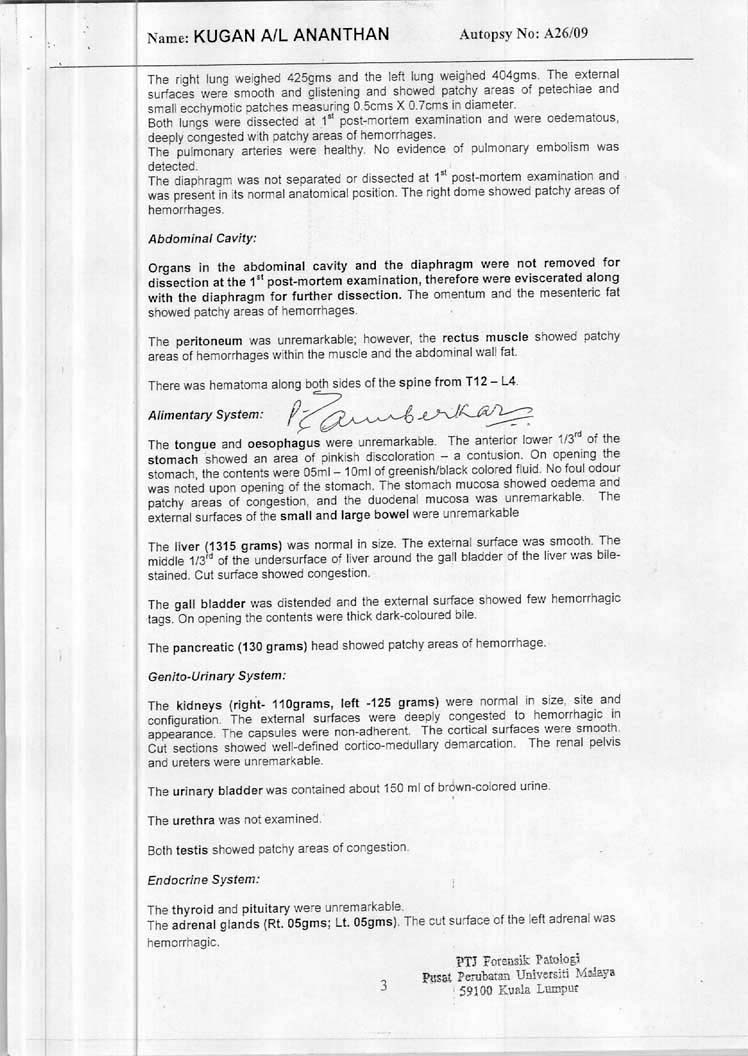
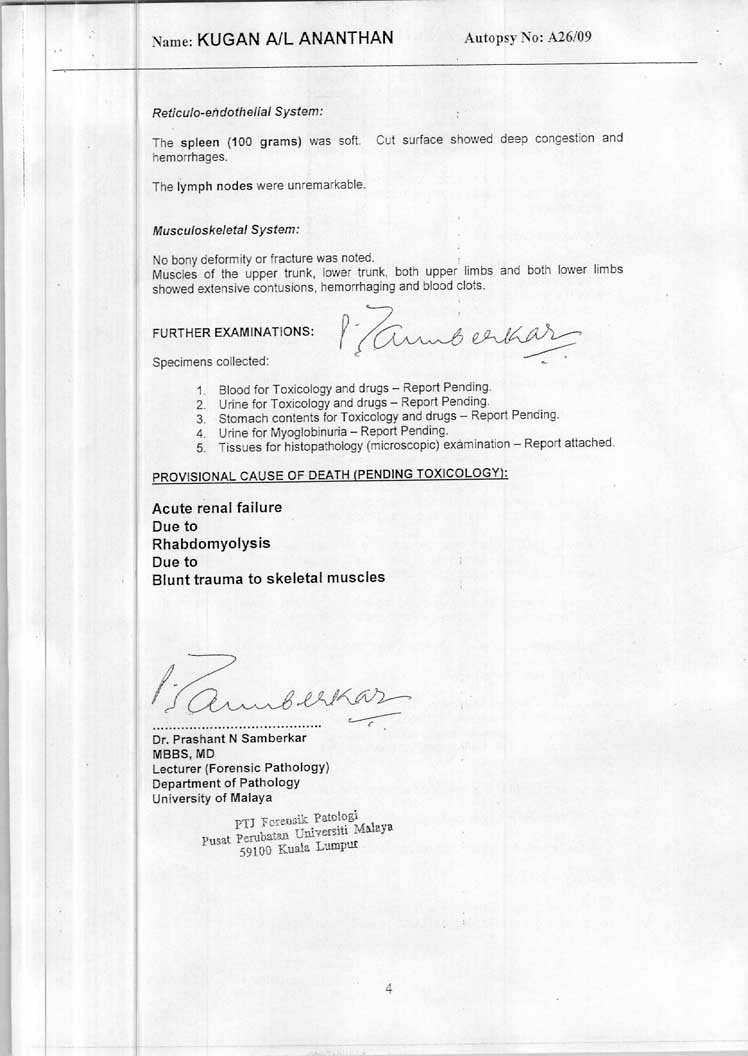
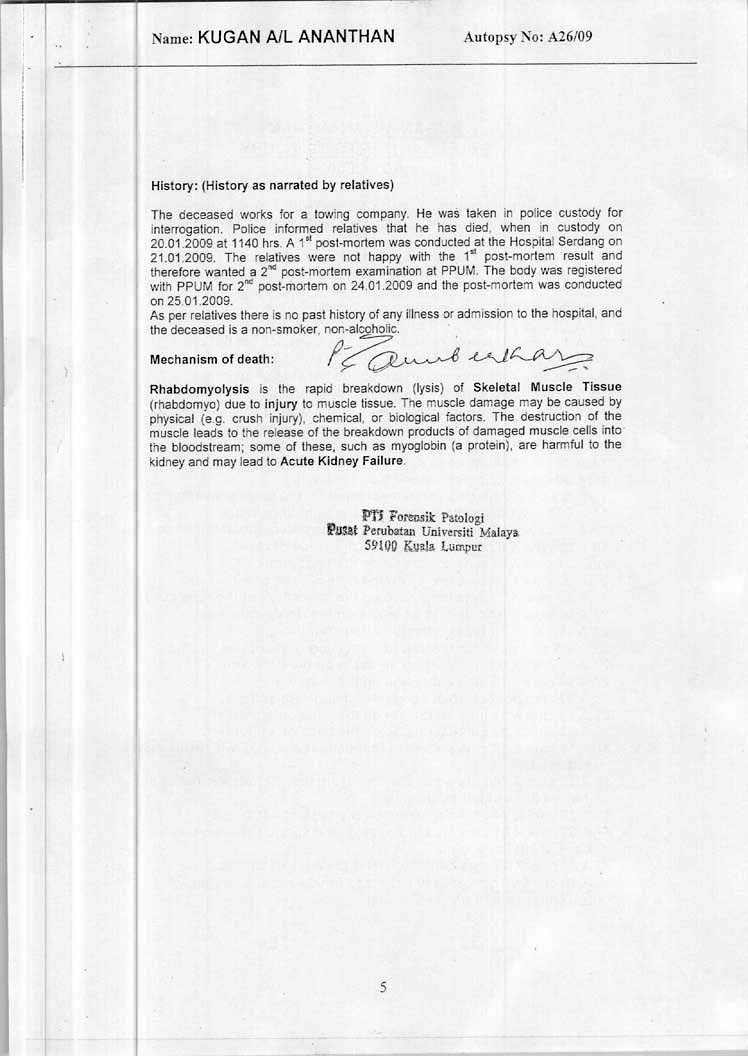
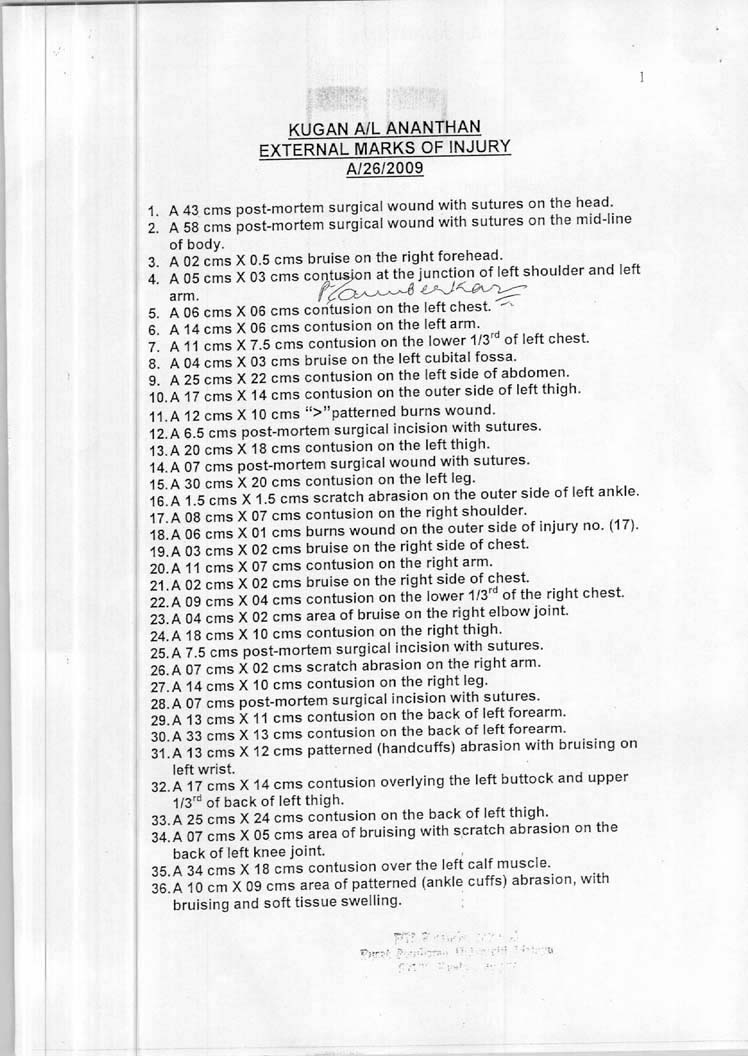
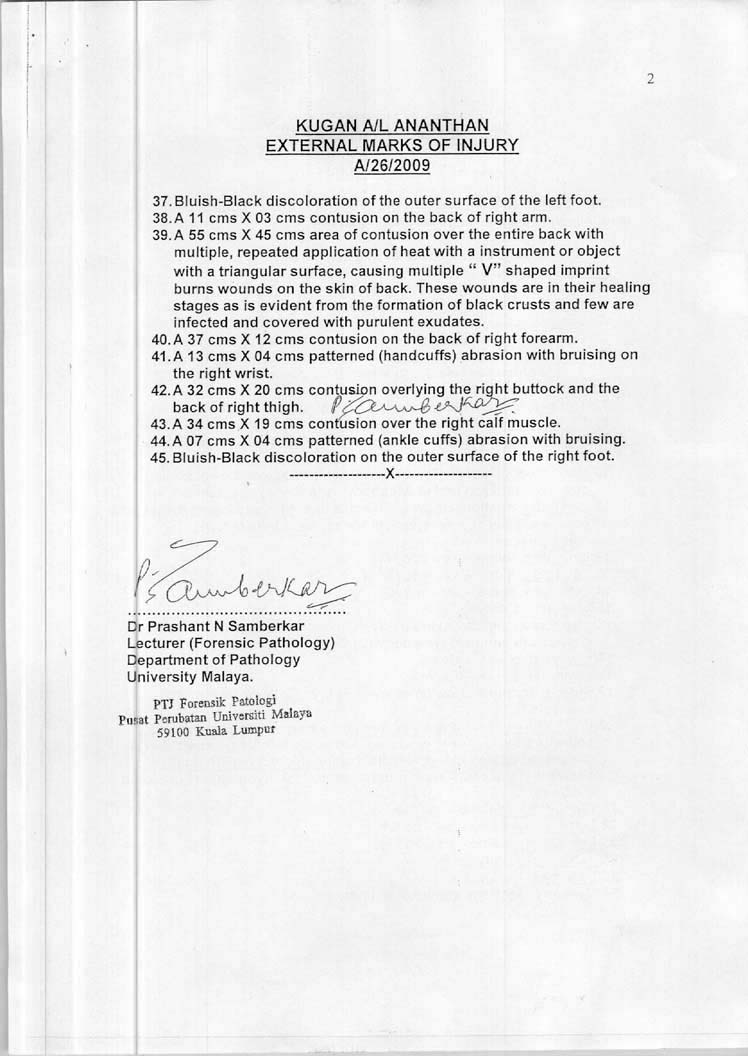
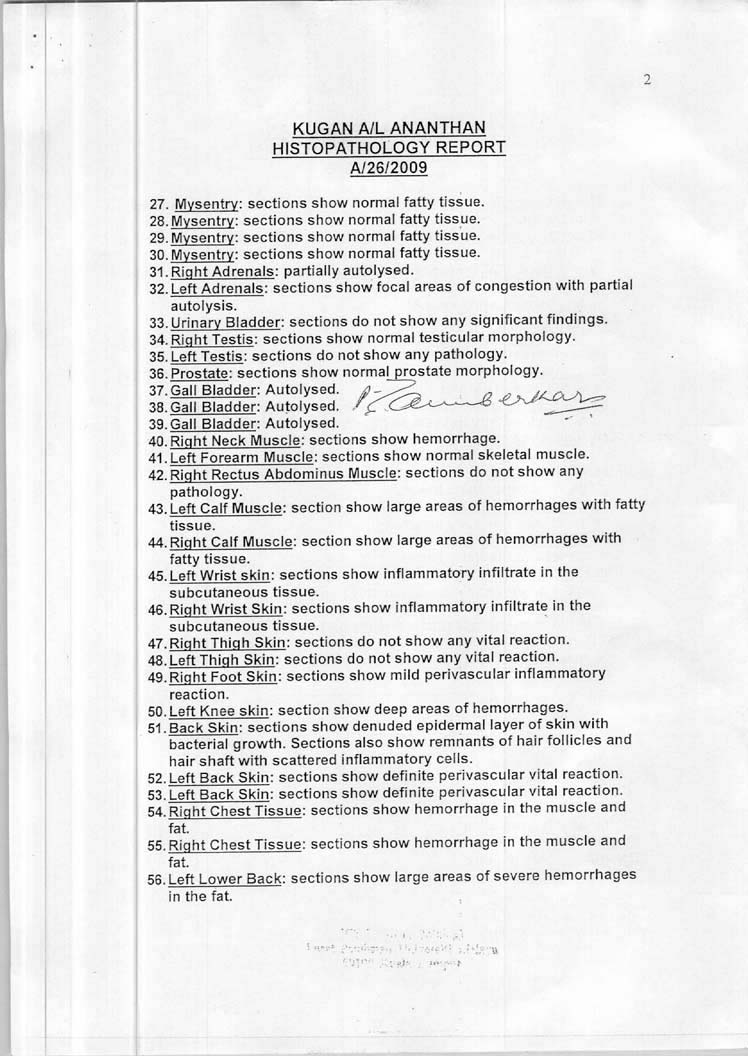
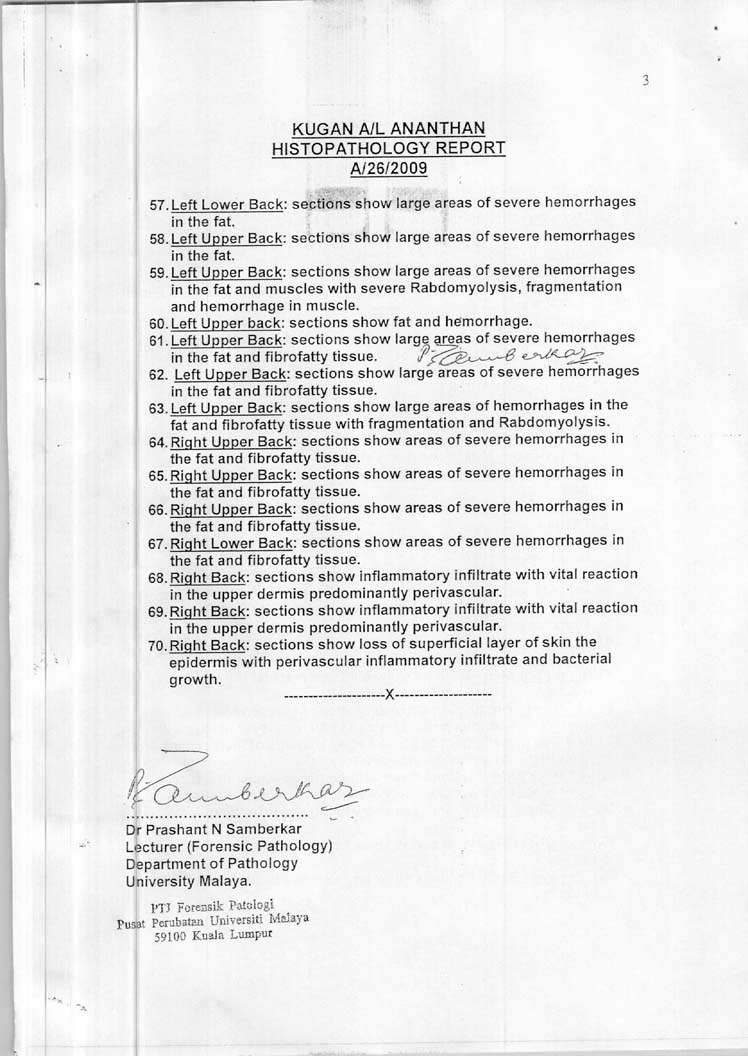
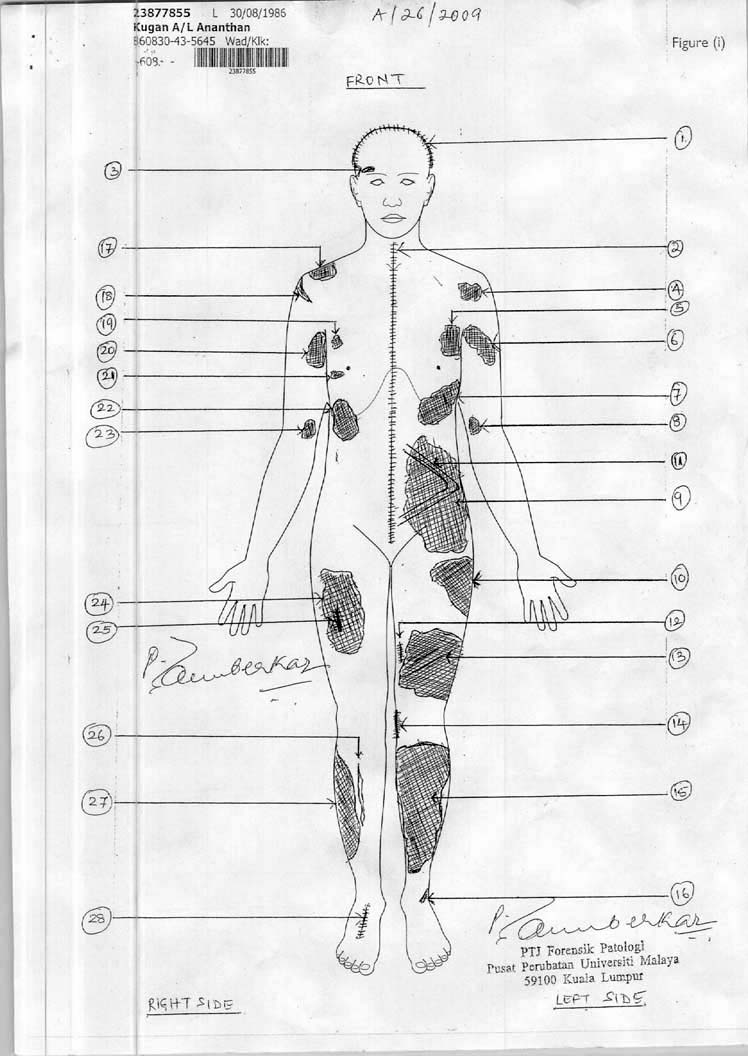
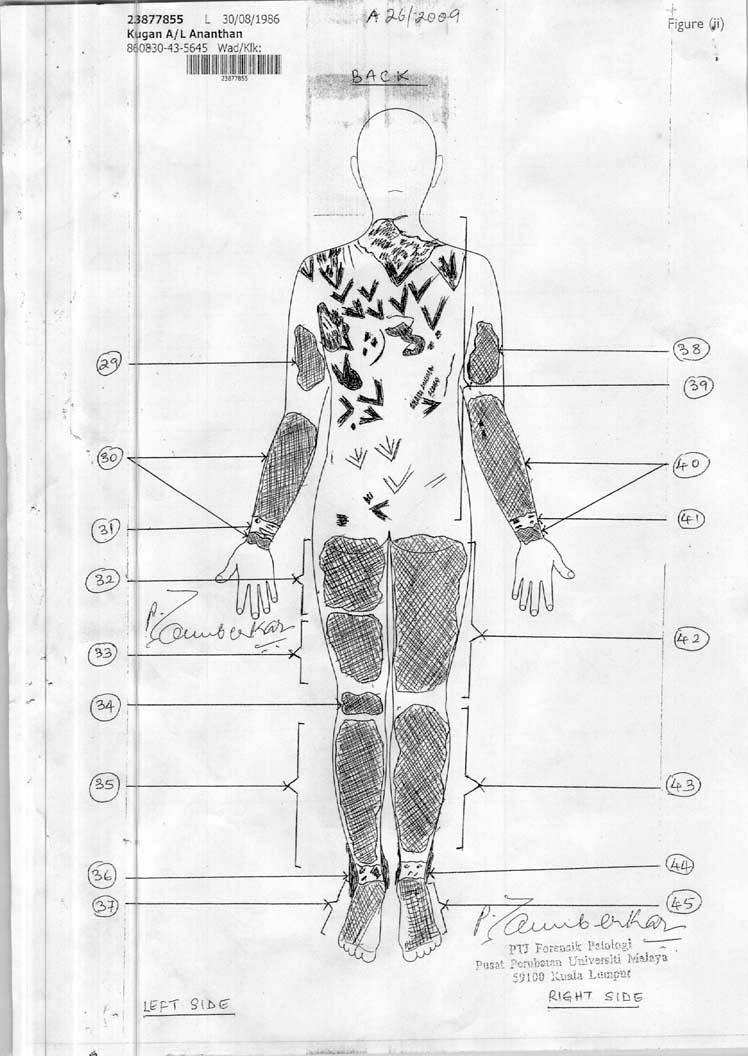
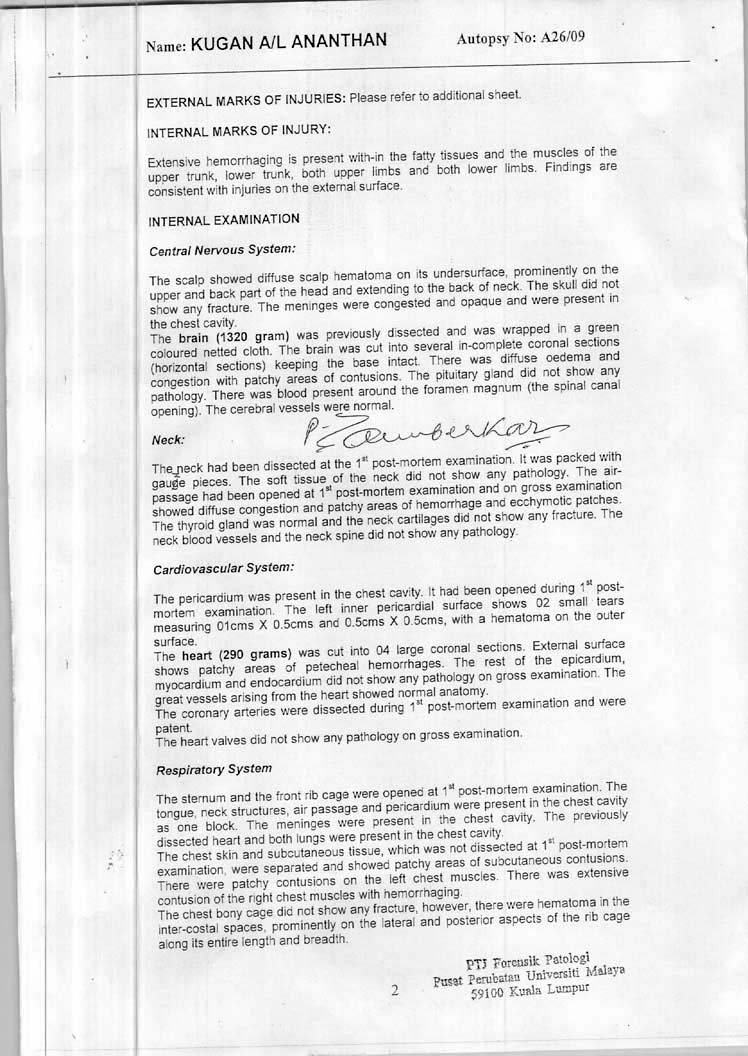
Updated with copy of the actual report:

YB Mike Manikavasagam released the second post mortem results today which indicated death due to other reasons than fluid in the lungs. Looks like he was really interrogated until died in custody.

My friend, whom I met over lunch just now, said that if 1 out of 10 crooks died due to police doing their job, he don’t mind. The violence of the criminals nowadays are terrible until the public don’t feel safe anywhere. Even recently, a girl was raped before the criminals stole the car (sorry, can’t reveal more for reasons of privacy).

I think it depends on view. Some view it as a human being’s life being taken away, while others say its in the line of duty and unfortunate things like this happens.

However, I think in this modern age, there are many ways to get information out of suspects.  You can’t simply go around whacking the suspect until the person dies. Maybe in the heat of the moment, or due to lack of cooperation from Kugan,  some of the policemen overreacted. Thus, the punishment must be meted out for causing death.

Bottom line is that some one died without being sentenced by court of law. In effect, a crime has been committed.  If Kuhan was shot while attempting to escape from police or while hijacking a car, then its another story.

The second post-mortem on suspected car thief A. Kugan showed that he died after being repeatedly beaten.

The post-mortem, conducted by a pathologist from the Universiti Malaya Medical Centre (UMMC) at the request of the 22-year-old’s family, also showed that he had multiple burn marks.

These V-shaped burn marks are believed to have been caused by a hot iron, said Kugan’s family lawyer N. Surendran at a press conference at the headquarters of political party PKR here Tuesday.

The first post-mortem conducted at the Serdang Hospital mortuary only examined the body from the chest up, Surendran said.

The second, which examined the entire body, found 42 other marks, burns and contusions from the sole of his feet right up to his head.

The UMMC pathologist declared, based on the post-mortem, that Kugan was beaten so badly that his tissues broke down and his kidneys failedi, Surendran said.

The pathologist also found that Kugan had suffered hemorrhaging in his trachea, chest, spleen, stomach, the back of his neck and spine, and there were also signs of hemorrhaging in his heart.

The soles of his feet had many bruises caused by beatings and he also suffered blunt trauma to his skull.

The family will submit the second post-mortem report to the Attorney-General’s Chambers Wednesday afternoon, he added.

…The initial post-mortem revealed that he had died due to fluid in his lungs, but Kugan’s family entered the Serdang Hospital mortuary that same day and took photographs of his body, which showed severe bruising.

… Puchong MP Gobind Singh Deo and Teluk Intan MP M. Manogaran, who were also present at the press conference Tuesday, said that in the future, the Home Ministry should always insist on a second post-mortem when there are doubts over deaths in custody.

Updated report from Malaysiakini:

An independent post-mortem report has revealed that deceased 22-year-old police detainee Kugan Ananthan had endured severe beatings and was also starved during his incarceration.

MCPX

The post-mortem conducted by a Universiti Hospital pathologist who was commissioned by the deceased’s family found that the car theft suspect had died of kidney failure due to the assault.

The beatings had caused a breakdown in Kugan’s muscle cells which then congested the blood flow and resulted in kidney failure.

The findings were revealed by the family’s lawyer N Surendran at a press conference held in the PKR headquarters in Tropicana this afternoon.

“As opposed to the past statement given by the police and the first post-mortem report (which stated that Kugan died of fluid accumulation in his lungs), the second report shows that he had died of acute renal failure due to rhabdomyolysis.

“Which is to say that he died due to the muscle cells disintegrating into his bloodstream and absorbed by the kidney which resulted in kidney failure and death,” said the lawyer.

‘Burnt with extremely heated iron bar’

Showing pictorial evidence to reporters, Surendran said graphic photos taken from the post-mortem report showed that Kugan suffered from massive internal bleeding due to repeated beatings.

“Kugan had hemorrhage in many of his internal organs, his heart, left lung, spleen, kidneys, back of his neck, spine area and the sole of his feet which shows that he took consistent beatings,” he added.

Kugan also suffered from internal bleeding in the scalp area following repeated beatings with a blunt object.

The post-mortem report also stated that Kugan sustained more than 10 severe burn wounds on his back “probably as a result of being burnt by an extremely heated V-shaped iron bar.”

“Almost the entire part of his back is covered with contusions, beating marks and bruises,” said Surendran, adding that the report also indicated that Kugan “was starved during the entire time he was tortured.”

“In brief, it appears that Kugan was severely tortured over period of days and the kind of pain he had suffered is unimaginable.

“One could only imagine what was going through this young man’s mind (during the torture). Perhaps, he had wanted to die (to escape the torture), we wouldn’t know,” he said.

Procedural exclusion in first post-mortem

Another baffling point, said Surendran, is the fact that the second post-mortem report indicated that no examination below the heart area of Kugan’s body was conducted during the first post-mortem.

Surendran said this was puzzling as it is compulsory for any pathologist to conduct a complete check-up.

The independent post-mortem report was commissioned by Kugan’s family after they were dissatisfied with the first report tendered by Serdang Hospital.

Kugan had died on Jan 20 at the Taipan police station in Subang Jaya, five days after he was arrested in connection with the theft of luxury cars.

Meanwhile, Surendran said the second post-mortem conducted by Dr Prashant N Samberkar from the UniversitI Malaya Medical Centre is not just an investigation into the death of an individual.

“This is a damning indictment on the Malaysian police force. I hope the police will hang their heads in shame, institute thorough reforms and stop placing obstacles in the implementation of the Independent Police Complaints and Misconduct Commission (IPCMC),” he stressed.

Report to be submitted to AG tomorrow

Teluk Intan DAP parliamentarian M Manogaran, who was also present at the press conference, said he and other Pakatan Rakyat leaders will submit the post-mortem report to the Attorney-General’s Chambers in Putrajaya tomorrow.

“The AG (Abdul Gani Patail) is duty-bound to act on this report and what Malaysians, in particular Kugan’s family, want is that whoever is responsible for his death be brought to court and answer charges for murder,” he said.

According to Kapar MP S Manickavasagam, from the year 2000 to 2008, there have been more than 80 cases of reported deaths in police custody but nothing has been done to address this.

He also claimed that more than seven police officers are involved in Kugan’s case.

Another DAP leader present, Puchong MP Gobind Singh Deo said the report should give the AG sufficient evidence to act swiftly on the matter.

He also said this incident shows the importance of having an independent post-mortem report done for custodial death cases.

The case was initially classified as sudden death but following the emergence of a video clip which revealed severe lacerations on the deceased’s body and sparked off public outrage, the AG reclassified the case as murder.

Other leaders present at the press conference were PAS Kota Raja MP Dr Siti Maria Mahmud, PKR secretary general Salahuddin Hashim and watchdog group Police Watch director S Jayathas.

Pancakavya helps Sanmargam in farming

March 3rd, 2009
|  Subscribe in a reader | Subscribe to poobalan.com by Email


From The Star:

After discovering the benefits of chemical-free farming, one man passionately shares his experience and knowhow.

PART-TIME farmer Sanmargam Kathiravan often shows his visitors a set of “before and after” photographs of – don’t laugh – a goat.

He had bought the sickly, underweight goat in 2006 for RM250 and nursed it back to health over six months. The “after” picture shows a healthy and fatter goat with a shiny coat of hair.

Sanmargam was doing a little experiment to convince himself of the efficacy of an organic growth promoter called pancakavya that is said to be not only good for plants but also beneficial to animals.

“It works in India but we’re not sure if it will work here. So, I did my own R&D (research and development). Take the goat, for instance. It will require few hundred ringgit of medication to treat its cold and skin rashes. But I did it with very little money. Now I can speak confidently of the effectiveness of pancakavya,” he says with pride.

Pancakavya is made from cow dung, urine and milk, as well as yoghurt, molasses and eggs. It takes 20 days to be ready for spraying on plants. It also acts as a pest repellent.

Sanmargam was among a small group of farmers from the northern region of the peninsula who were taken to India a few years back by the Consumers Association of Penang (CAP) to witness how small farmers have found a way out of agrochemical-based farming.

In 1998, the factory production supervisor was planning a jasmine garden as a social security net for his home-maker wife. He reckoned that jasmine would always be in demand from the Indian community, which uses the fragrant flower for religious purposes. He bought a bungalow lot in a medium-cost housing estate in Lunas, Kedah ,to execute his plan.

“I started growing jasmine. Soon, I faced all the problems common among farmers who rely on synthetic pesticides, herbicides and chemical fertilisers. My plants were attacked by insects, the leaves were eaten by caterpillars and the buds were invaded by bugs.

“Other farmers were not willing to share their knowledge and the Department of Agriculture could only advise me on chemical application. Eventually, I moved from using Class 1 to Class 4 toxic chemicals but that didn’t solve the problems. It seemed that the insects were immune to the chemicals,” recalls the 42-year-old father of three sons.

It wasn’t until 2003 that Sanmargam came across CAP which was promoting sustainable agriculture and had brought in a vermi-compost expert from India, Dr Sultan Ismail, for a workshop in Penang.

There was no turning back after that for Sanmargam. He attended further training in India and became convinced about the principle of organic farming. He started rehabilitating his garden by spraying pancakavya once a week. After three months, the routine was reduced to every fortnight and after six months, he only sprayed once a month.

“It completely eliminated the pest problem. Once you stop applying chemicals, you get help from Mother Nature. The birds will pick off the snails and the insects will control one another,” he enthuses.

Sanmargam’s garden not only thrives with organic jasmine and vegetable plots, it is also a mini-laboratory and factory for growth promoters like pancakavya and effective micro-organisms and fungus repellents. The ingredients are sourced locally at a fraction of the price paid for agro-chemicals.

The four-tank vermi-compost system sits in one corner of the garden and churns out several tonnes of organic compost a year, which is used in the garden as well as sold at RM4 per kg for extra income.

And gone are the days when he had to cajole buyers to take his jasmine blooms. “Now, the retailers tell me not to sell to others. Previously, I had to beg them to take my flowers. I can understand their reluctance because the flowers did not last more than a day.

“The organically-grown jasmine not only lasts a few days, even the fragrance is sweeter. This is the feedback from retailers and customers. There’s a money back guarantee for anyone who finds a bug in my flowers,” quips Sanmargam, adding that he now supplies the flowers to six shops in Penang and two in Lunas.

On high demand days, he gets RM3 per tin of flowers and a minimum of RM2 on slower days. Previously, he got as low as RM1 per tin.

Next, he is planning a dream farm where he can raise livestock like cows and goats, and have more space to grow vegetables and fruits. The livestock will ensure a steady supply of cow dung, urine and milk for producing various organic materials for the farm. Sanmargam now speaks widely and passionately about organic farming to farmers at organised events and to those who have heard of his success and drop by his house.

“I believe in the goodness of this system and I want to share my experiences with anyone who is willing to try,” he adds humbly.

Prabakar’s torturers to be charged

March 3rd, 2009
|  Subscribe in a reader | Subscribe to poobalan.com by Email


Home Minister Syed Hamid Albar today revealed that investigation papers on the 27-year-old carpark attendant, B Prabakar, who was allegedly tortured by seven police officers have been referred to the attorney-general.

In a written response to M Manogaran (DAP-Telok Intan), the home minister said the A-G had also instructed that seven police officers involved, to be charged under Section 506 and Section 304 of the Penal Code.

In December 2008, Prabakar had alleged that he was tortured during interrogation by police who beat him with a rubber hose and splashed boiling hot water on his body.

From the parliament

Uthaya being treated at hospital says minister

March 2nd, 2009
|  Subscribe in a reader | Subscribe to poobalan.com by Email


Two questions here:

1. If Uthaya is being treated at Teluk Intan hospital, why wasn’t it announced earlier before the gathering to do mass police report?

2. Is the treatment suitable and sufficient, with independent observers being present? I think to avoid any misconception and unnecessary anger of the community against the government, there should be some independent verification.

Perhaps Dr S Subra should follow up on Syed Hamid’s information to verify if indeed Uthaya is being given appropriate treatment for his complications.

Internal Security Act detainee P. Uthayakumar is being treated for his illness at a government hospital, Human Resources Minister Datuk Dr S. Subramaniam said yesterday.

He was speaking after receiving RM170,000 from donors for the purchase of a building that will house an education centre under the administration of the Malacca Indians Development Association.

“It is the right of each and every Malaysian to be treated at the government hospital and in Uthayakumar’s case, I was informed by Home Minister Datuk Seri Syed Hamid Albar that he has been receiving treatment at the Teluk Intan Hospital,” he said.

Dr Subramaniam said he hoped that the government would make arrangements should Uthayakumar need specialist treatment for his diabetes-afflicted foot.

He was commenting on Uthayakumar’s supporters lodging police reports over alleged improper medical treatment for his diabetic complications and the use of water cannon to disperse about 200 of them near the Brickfields police station on Saturday.

Dr Subramaniam said: “I just want the public to be aware that the government is giving medical treatment to Uthayakumar. If the need arises, I hope that the government will grant him permission to seek treatment at a specialist centre.”